Why You Can't Identify Asbestos by Sight Alone
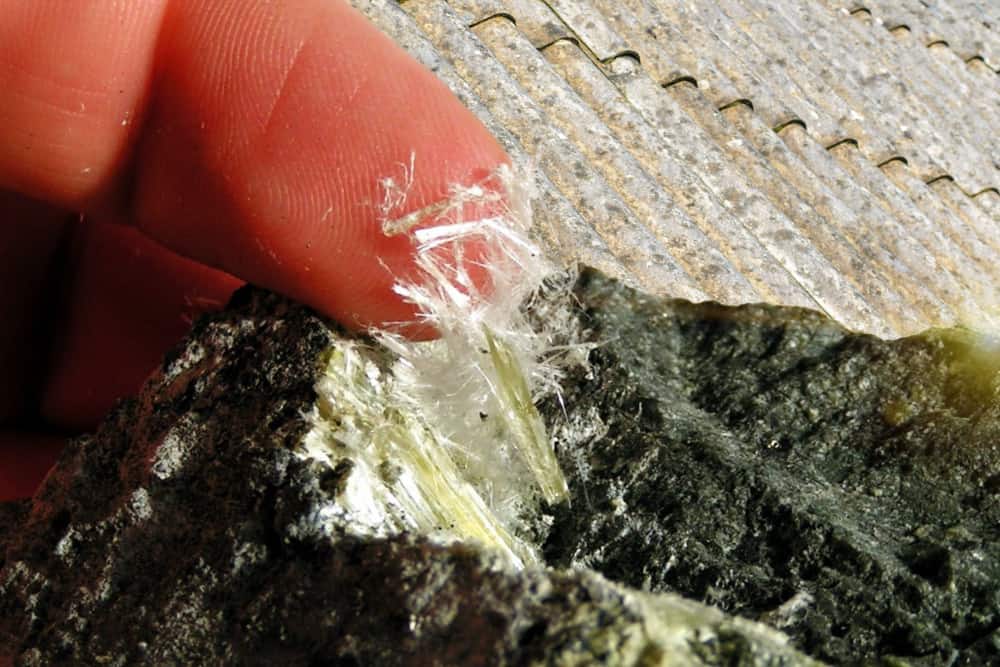
You can not determine asbestos by sight alone due to the fact that shade, texture, and age aren't trustworthy indicators, and lots of dangerous and non-hazardous structure materials look almost the same. Asbestos fibers are tiny and can not be validated aesthetically— governing bodies like OSHA and the EPA need lab evaluation for certainty. Also knowledgeable inspectors are commonly deceived by comparable products, so only a licensed laboratory examination verifies asbestos. If you desire to comprehend exactly how asbestos is discovered and what actions to take, keep going.
Takeaways
- Asbestos fibers can not be validated by visual inspection alone because of their microscopic dimension and similarity to various other products.
- Color, appearance, and age are unstable indications, as many non-asbestos materials very closely resemble asbestos-containing products.
- Regulative bodies like OSHA and EPA clearly advise that sight-only identification is insufficient and not authorized.
- Asbestos is usually concealed within layers, sublayers, or adhesives, making detection by look impossible.
- Laboratory analysis is the only dependable technique to verify the existence of asbestos in structure products.
Can You Recognize Asbestos by Sight?
Visual identification alone isn't a reliable approach for identifying asbestos. Also if you've dealt with structure materials in the past, structure ambiguity makes it virtually impossible to identify asbestos-containing materials from visually similar, non-hazardous ones. Many products display aesthetic mimicry, imitating the coarse or harsh look of asbestos while containing no real fibers. Governing bodies, consisting of OSHA and the EPA, explicitly advise against relying on view alone since misidentification can bring about risky direct exposure and non-compliance with safety and security standards. You can not accurately court asbestos existence based only on shade, appearance, or age, because suppliers commonly created items to look alike despite their composition. For any presumed product, laboratory evaluation is the only approved technique to validate asbestos content and guarantee correct handling under present laws.
Where Asbestos Could Be Hiding in Your Home
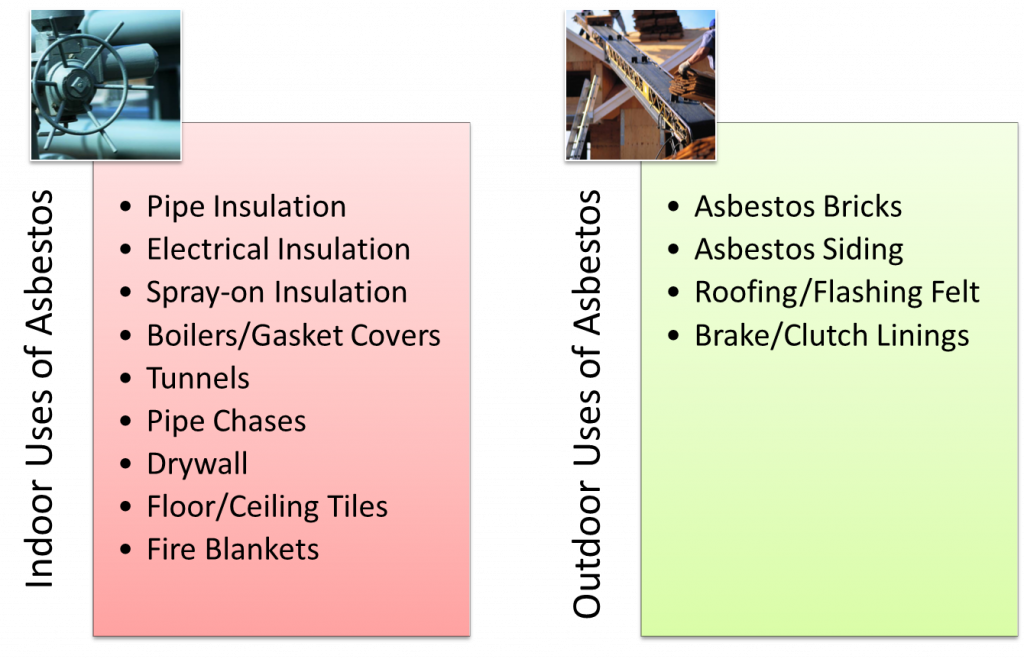
You'll need to be mindful that asbestos is usually concealed in older insulation products and certain sorts of flooring. https://regentsparkasbestosremoval.co.uk/services/artex-removal.html These products might disappoint visible warning indicators however still present substantial wellness risks if disrupted. Governing assistance suggests professional assessment prior to any renovation or elimination activities in locations suspected of consisting of asbestos.
Hidden Dangers in Insulation
Although contemporary structure codes have actually largely gotten rid of asbestos from new building, many older homes still include insulation products that nurture this unsafe mineral. You could find asbestos in pipeline insulation, attic room loose-fill, or old central heating boiler lagging, every one of which were treasured for fire resistance and longevity. However, gradually, thermal destruction can cause these materials to damage down, launching harmful fibers into your home. Merely checking out insulation won't reveal the visibility of asbestos, since it usually looks like regular fiberglass or mineral wool. Regulative standards require expert tasting and lab evaluation to validate asbestos content. If you presume contamination, don't try elimination on your own— inappropriate handling raises direct exposure danger. Rather, speak with certified professionals learnt insulation abatement to assure compliance and reduce carcinogen in your home. commercial asbestos removal

Dangers in Flooring Products
Even if your home shows up contemporary and well-maintained, asbestos-containing flooring products might still exist, especially in frameworks constructed before the 1980s. Old linoleum and certain plastic tiles are especially suspect, as asbestos was generally utilized for its toughness and fire resistance. You can't reliably determine asbestos by view; several hazardous tiles look the same to non-asbestos products. When these products are disrupted— by restoration, demolition, or even normal wear— microscopic fibers can become air-borne, posing significant wellness threats. Regulatory companies, such as the EPA, require stringent treatments for testing and elimination. https://regentsparkasbestosremoval.co.uk/services/soft-strip-demolition.html If you presume floor covering products have asbestos, do not attempt elimination on your own. Instead, employ accredited specialists to carry out an appropriate assessment and, if essential, execute reduction according to all security policies.
Why Asbestos Is So Hard to Spot
Due to the fact that asbestos fibers are tiny and commonly mixed with other materials, identifying them by view alone is nearly impossible. You can't depend on shade, fiber textures, or surface look, as asbestos-containing items carefully resemble non-asbestos alternatives. Visual uncertainty makes distinguishing asbestos in flooring, insulation, or ceiling ceramic tiles a considerable challenge for inexperienced eyes. Laws reinforce that only laboratory analysis can confirm asbestos material. Also knowledgeable professionals won't make decisions based upon aesthetic signs alone because of the high danger of error.
Right here's why visual recognition falls short:
Particular
Asbestos Material
Non-Asbestos Material
Fiber Textures
Variable/hidden
Variable/hidden
Visual Uncertainty
High
High
Shade Variations
Vast array
Wide variety
Depend on certified screening— not uncertainty.
Why Visual Assessments for Asbestos Are Risky
You can't depend on visual assessments alone since asbestos usually looks the same to several risk-free building products. It's frequently hidden within layers or blended inside elements that aren't visible on the surface. Also when materials appear safe, their real asbestos content can't be confirmed without correct laboratory analysis, as required by guidelines.
Resemblance to Common Materials
Just how can you differentiate asbestos-containing materials when a lot of structure products look virtually similar? You'll locate that textured plastic flooring, fiber glass insulation, concrete board panels, and mineral woollen can all closely appear like asbestos-containing products. Counting on visual examination alone is high-risk, even for skilled professionals. For instance, asbestos cement board is virtually equivalent from common fiber concrete board, and older distinctive plastic ceramic tiles can look similar to modern, secure options. Mineral woollen and fiber glass insulation might also show up similar to asbestos insulation, specifically when aged or filthy. Governing firms, such as OSHA and the EPA, clearly advise that you can't confirm or rule out asbestos material by sight. Appropriate lab analysis is always needed to abide by security guidelines and stop unsafe direct exposure.
Concealed Asbestos Parts
Look beneath the surface area of numerous structure products, and you'll discover that asbestos often hides in unforeseen places, making complex recognition efforts. Relying only on visual evaluations is dangerous because asbestos may be enveloped within concealed linings or behind buried panels, completely hidden. You can not assume safety simply due to the fact that a surface looks harmless or intact. Laws need specific screening protocols exactly because asbestos can be incorporated into sublayers, adhesives, or support products that aren't right away accessible. Without laboratory analysis, you run the risk of forgeting these hidden risks, potentially subjecting workers or residents. Constantly approach suspect products with caution, identifying that asbestos's visibility is not constantly obvious. This technological truth emphasizes the significance of conformity with all appropriate asbestos assessment and reduction policies.
Misleading Surface Appearances
Although a material's surface may show up undamaged or modern, this provides no guarantee that asbestos isn't present underneath or within it. You can not count entirely on visible attributes, as surface area mimicry is a typical consider older structures. Makers commonly made items to imitate much safer products, making it very easy for even experienced inspectors to be misdirected by texture impressions. As an example, plastic ceramic tiles, plasters, and ceiling layers regularly replicate the look of non-asbestos products. This misleading look means that aesthetic assessments are inherently risky and unreliable for asbestos identification. Regulatory requirements require lab analysis for a definitive resolution. If you attempt to assess asbestos risk by view alone, you run the risk of direct exposure and non-compliance with health and safety and security laws.
Just How Specialist Asbestos Examining Works
Involve certified specialists when you need to accurately identify the existence of asbestos in structure products. You can't rely upon aesthetic identification-– correct screening adheres to stringent protocols to ensure safety and security and regulatory compliance. Specialists use customized equipment and method, focusing on both air sampling and product tasting to examine potential contamination. Lab evaluation is essential, as only a qualified lab can validate asbestos fibers' existence and focus. Here's how the process usually functions:
- Website Analysis: Experts evaluate and recognize suspect products based upon building day and material type.
- Sample Collection: Physical examples or air examples are meticulously collected making use of regulated treatments.
- Research laboratory Analysis: Examples are sent to approved labs for microscopic examination and quantification.
- Coverage: Outcomes are delivered with clear findings and suggestions for next actions.
When to Obtain Your Home Tested for Asbestos
Often, it's important to examine your home for asbestos if you're planning restorations, fixings, or demolition in buildings built prior to the 1980s, as several building and construction materials from that period might contain asbestos. If you stay in older homes, specifically those with original floor covering, insulation, or roof, asbestos screening should be thought about a top priority. Also uninterrupted products can release fibers gradually, so periodic air sampling is advised to evaluate airborne asbestos levels. Regulatory guidelines usually call for asbestos surveys before any architectural work to guarantee conformity and public safety. If you observe damaged or wearing away structure materials, timetable expert screening without delay. Don't count on aesthetic evaluation alone— lab evaluation remains the only clear-cut method for identifying asbestos-containing products in your home setting.
What to Do If You Suspect Asbestos
If your home's building day or the presence of dubious materials has elevated problems, it's essential to lessen disruption till a professional assessment can be done. Asbestos fibers are harmful when launched into the air, so your actions need to focus on security and conformity with neighborhood regulations. Here's what you should do:
- Prevent troubling any type of products you believe might consist of asbestos— do not touch, reduce, or move them.
- Limit accessibility to the area to limit possible direct exposure, specifically for kids and pets.
- Call experts accredited in asbestos evaluation and reduction for an extensive examination; self-testing is not advised.
- Comply with all advice from authorities and professionals regarding remediation, disposal, and recurring monitoring to ensure conformity and security.
Taking these actions aids shield your family and meets lawful requirements.
Regularly Asked Concerns
How Much Does Expert Asbestos Testing Usually Expense?
Expert asbestos testing normally costs in between $250 and $800, depending upon your location, number of samples, and screening methods used. You'll find that bulk sample evaluation has a tendency to be more economical than air or dust screening. It's important to select a certified research laboratory following EPA or regional regulative standards. Expense varieties can differ, so constantly demand thorough quotes that define what's included in the solution to guarantee governing compliance and accurate results.
Is Asbestos Still Utilized in Construction Products Today?
Better risk-free than sorry— while most countries' existing policies purely limit or ban asbestos use in building and construction materials, you'll still find it in some items, particularly in regions with less strict regulations. In locations with strict oversight, contemporary substitutes like fiberglass or cellulose change asbestos due to health risks. You ought to constantly validate the local regulative environment prior to assuming materials are asbestos-free, because global techniques and enforcement can differ significantly.
Can Pets Be Damaged by Asbestos Direct Exposure?
Yes, your pets can be damaged by asbestos exposure. When pets inhale asbestos fibers, they may develop respiratory system concerns similar to those seen in people. Pet symptoms include coughing, difficulty breathing, lethargy, and anorexia nervosa. Regulative companies like the EPA caution that pet exposure to asbestos in infected atmospheres presents considerable health and wellness dangers. If you believe asbestos in your home, seek advice from professionals to decrease dangers for both people and animals.
What Wellness Effects Indicate Asbestos Direct Exposure?
You might question if symptoms like coughing or chest discomfort actually signal asbestos exposure. Technically, early indicators are refined or absent, making discovery challenging. Over time, direct exposure can cause lung scarring (asbestosis), lack of breath, and persistent coughing. Regulative firms acknowledge pleural plaques-– enlarged lung linings— as a professional sign. Remember, these symptoms often create years post-exposure, so if you believe threat, clinical examination and governing reporting are crucial steps.
Are There Safe Alternatives to Asbestos for Insulation?
Yes, you've got several secure alternatives to asbestos for insulation. Modern fire resistant insulation alternatives consist of mineral woollen, fiberglass, and foam board, all of which conform with current safety and security laws. If you're looking for an environmentally friendly alternative, cellulose option insulation-– made from recycled paper— works and satisfies fire safety codes with added fire resistants. When choosing, constantly validate the product's compliance with neighborhood building regulations and fire resistance requirements to assure maximum protection.